

Six months ago, we set out to answer one question for ourselves: what’s actually worth buying if you want a real sauna experience at home, without turning your garage or backyard into a science experiment? We ended up assembling, heating up, sweating in, and breaking down more than a dozen units from bare-bones two-person infrared boxes to full cedar-lined barrel saunas that needed two people and a Saturday afternoon to put together.
This guide is the result of that process. We’re not going to pretend every unit on this list is perfect, because none of them are. Instead, we’ll walk you through what we found, what surprised us, what annoyed us, and which models we’d actually spend our own money on depending on your space, budget, and what you’re trying to get out of a sauna in the first place. If you’ve been searching for the best home sauna, the best sauna for home use, or specifically a best home infrared sauna, you should find your answer somewhere in here.
How We Tested
Before we get into individual picks, it’s worth explaining our process, because “best” means different things depending on what you’re optimizing for.
We evaluated every sauna against the same core criteria:
- Heat-up time — how long it took to reach a usable temperature from a cold start, timed with a stopwatch, not a marketing brochure.
- Peak temperature and consistency — whether the unit actually held its stated temperature range, and how evenly heat distributed from floor to ceiling.
- Assembly difficulty — how long it took two reasonably handy adults to go from boxed parts to a sealed, working unit, and how much the instructions actually helped.
- Build quality and materials — wood type, panel thickness, hardware quality, and how the unit felt after repeated use (a few of these we ran through 20+ sessions).
- EMF and ELF readings — we used a handheld meter to check emissions near the heater and bench, since this matters more to some buyers than others.
- Noise — some heaters hum or click audibly, which matters if you’re using the sauna for meditation or relaxation.
- Footprint and portability — could it fit through a standard doorway, and could one person move or store it if needed.
- Value — not just sticker price, but cost relative to what you actually get in materials, warranty, and performance.
We also tracked our own subjective experience each session: did it feel like a “real” sauna, or did it feel like sitting in a heated box. That distinction ended up mattering a lot, and we’ll call it out throughout.
Our Top Picks at a Glance
Before the deep dives, here’s the short version for people who want to skim:
- Best overall home sauna: A mid-size hybrid unit that blends infrared panels with a traditional electric heater
- Best home infrared sauna: A four-person full-spectrum infrared cabin with strong, even heat
- Best budget pick: A compact two-person infrared unit under $1,500
- Best premium/luxury option: A cedar barrel sauna with a wood-burning or high-output electric heater
- Best for small spaces: A one-person infrared pod
- Best outdoor home sauna: A weatherproof barrel or cabin-style unit rated for year-round exterior use
- Best for families: A six-person traditional sauna room
Now let’s get into why.
Best Overall Hybrid Infrared + Traditional Sauna
If you only read one section of this guide, make it this one, because the hybrid category is where we spent the most time and came away the most impressed.
Hybrid units give you a traditional electric heater (the kind that heats stones and lets you pour water over them for steam) alongside infrared panels built into the walls. We were skeptical going in — it seemed like a gimmick, a way to check two boxes on a spec sheet. It wasn’t. Being able to switch between a dry, high-heat traditional session and a lower-temperature, deeper-penetrating infrared session in the same unit meant we actually used it more often, because it matched our mood and schedule rather than forcing one experience every time.
What we liked:
Assembly took us just under three hours with two people, which is reasonable for a unit this size. The interior is nordic spruce, which held up well and didn’t warp or crack even after weeks of daily use with real temperature swings. The traditional heater got the cabin up to a strong, sauna-appropriate heat in about 25 minutes, and the infrared panels were usable within 15. We tracked bench temperature at three heights and found less than a 10-degree spread top to bottom, which is better consistency than we expected from a unit in this price range.
What we didn’t like:
The control panel, while functional, isn’t especially intuitive the first few times you use it — we had to check the manual twice in the first week. The double doors also meant a slightly longer heat-loss window every time someone stepped in or out, which is a minor but real efficiency hit if you’re using the sauna solo and going in and out frequently.
Who it’s for:
If you want one sauna that can do double duty — traditional heat when you want that classic, intense sauna feeling, and gentler infrared when you want something more like a 30-minute wind-down — this is the category to shop in. It’s also a strong answer if you’ve been torn between “best home sauna” style traditional units and “best home infrared sauna” options and don’t want to choose.
Best Home Infrared Sauna: Four-Person Full-Spectrum Cabin
For people specifically searching for the best home infrared sauna, this is where we’d point you. We tested several infrared-only units, and the four-person full-spectrum cabin distinguished itself in two ways: heat evenness and how quickly it became genuinely comfortable to sit in.
Full-spectrum infrared means the unit uses near, mid, and far infrared wavelengths rather than just one. In practice, we noticed the near-infrared elements warmed the skin’s surface almost immediately, while the far-infrared components built a deeper, more penetrating heat over the following ten minutes. It’s a different sensation than a traditional sauna — less of an “air temperature” feeling and more of a direct-heat feeling — and it took us a couple of sessions to calibrate our expectations, but once we did, we came to genuinely prefer it for shorter, more frequent use.
What we liked:
We measured a heat-up time of around 12 minutes to a comfortable operating temperature, which is faster than most traditional units by a wide margin. That speed matters if you’re using the sauna on a weekday morning before work rather than reserving it for a leisurely Sunday. EMF readings near the benches came back low, which was a relief given how close you sit to the panels in this style of unit. We also appreciated the interior LED chromotherapy lighting, which felt more like a genuine feature than an upsell — we used it more than we expected to.
What we didn’t like:
Four-person capacity is a bit generous on paper. Two people fit very comfortably; a third is fine; a genuine fourth adult means shoulders touching. If you’re shopping based on the stated capacity, size down your expectations by one person for actual comfort.
Who it’s for:
Anyone prioritizing quick heat-up, lower running cost, and a gentler, more approachable heat than a traditional unit. This is also a good pick if EMF exposure is a real concern for you — full-spectrum, low-EMF infrared cabins are specifically designed around that.
Best Budget Pick: Compact Two-Person Infrared Unit
We didn’t want this guide to only cater to people with a few thousand dollars and a finished basement to spare, so we specifically sought out and tested a budget-tier two-person infrared sauna that came in under $1,500 fully assembled.
What we liked:
Assembly was genuinely simple — we had it built and running in about 90 minutes with one person, using nothing but the included tools. The interior is basswood, which is lighter and less aromatic than cedar but still felt solid and didn’t show any warping after several weeks of use. Heat-up time to a usable temperature was about 15 minutes, which is respectable for the price point.
What we didn’t like:
This is where the trade-offs of a budget unit show up. The bench felt noticeably thinner than the units in our higher-tier picks, and we could feel some flex under weight. The control panel is basic — temperature and timer only, no chromotherapy or auxiliary features — which is fine if you just want heat, less fine if you were hoping for a fuller spa experience. Noise from the heater fan was also the most noticeable of any unit we tested, though not loud enough to be a dealbreaker.
Who it’s for:
First-time sauna buyers who want to confirm they’ll actually use one regularly before committing to a bigger investment, or anyone with a genuinely tight space and budget who still wants the core benefits of a home sauna.
Best Premium Option: Cedar Barrel Sauna
For people who want the full traditional experience and have the budget and space to match, the cedar barrel category was, frankly, the most fun part of our testing process.
What we liked:
The curved barrel design isn’t just aesthetic — it genuinely improves airflow and heat circulation compared to a square cabin, and we noticed less of a temperature gradient between the floor and ceiling than in any other unit we tested. The western red cedar construction smelled incredible for the first several sessions and continued to hold a faint, pleasant cedar scent for weeks afterward. Built with a high-output electric heater, it reached a strong traditional sauna heat in about 30 minutes, and held that heat consistently even in cooler outdoor conditions.
What we didn’t like:
Assembly is a genuine undertaking. We budgeted an afternoon and it took closer to six hours with two people, plus additional time for a proper base and, if you go the wood-burning route, ventilation planning that we’d strongly recommend having a professional review. This is not a unit you assemble on a whim.
Who it’s for:
Buyers with a backyard, patio, or covered outdoor space who want the closest thing to a traditional European or Scandinavian sauna house experience, and who are willing to invest the time and money to get it right.
Best for Small Spaces: One-Person Infrared Pod
Apartment dwellers and anyone working with a spare closet-sized space were very much on our minds during testing, so we included a one-person infrared pod specifically to see whether “compact” also meant “compromised.”
What we liked:
It genuinely doesn’t feel like a compromise. At roughly the footprint of a standard shower stall, it fit into a corner of a home office with room to spare. Heat-up time was the fastest of any unit we tested, under 10 minutes, and the reclining bench design made sessions comfortable even at 30-plus minutes.
What we didn’t like:
Obviously, capacity is the trade-off — this is a solo experience, full stop. The lower ceiling height also meant taller testers (over 6’2″) felt somewhat hemmed in.
Who it’s for:
Solo users in space-constrained homes who still want a daily or near-daily sauna habit without dedicating a full room to it.
Best Outdoor Home Sauna: Weatherproof Cabin
We also tested a purpose-built outdoor unit, rated for exterior installation and four-season use, to see how it held up against actual weather rather than a climate-controlled garage.
What we liked:
The double-wall construction and weather-sealed door made a real difference — we ran this unit through a stretch of freezing overnight temperatures and it still reached full operating heat within a reasonable window the next morning. The exterior finish resisted moisture well, and the ventilation system was thoughtfully designed to prevent condensation buildup inside the cabin between uses.
What we didn’t like:
Because it’s built for outdoor durability first, the interior finish is slightly less refined than our premium indoor pick — functional and pleasant, but not quite as polished. Installation also requires a proper level base or deck, which is an added cost most indoor units don’t require.
Who it’s for:
Anyone with outdoor space who wants a sauna that can live outside permanently without babying it through winter, and who doesn’t mind a short walk outside as part of the ritual (which, honestly, we came to enjoy).
Best for Families: Six-Person Traditional Sauna Room
Finally, for larger households or anyone who wants to make sauna time a shared activity, we tested a full six-person traditional sauna room.
What we liked:
This felt the most like a genuine sauna room rather than a sauna unit — multi-tier benching meant people could choose their preferred heat intensity by sitting higher or lower, which is a detail we didn’t know we’d care about until we had it. The traditional heater handled the larger volume well, reaching full temperature in about 35 minutes and holding it evenly across all six seats.
What we didn’t like:
This is a serious commitment in terms of both space and price, and running cost is meaningfully higher than any of our smaller picks given the volume of air being heated. It’s also not a unit you’re moving or reconfiguring easily once installed.
Who it’s for:
Larger families, or anyone who envisions sauna time as a regular group activity rather than a solo one.
Traditional vs. Infrared vs. Hybrid: What’s Actually Different
If you’re new to this category, the terminology can be genuinely confusing, so here’s the plain breakdown based on what we actually felt sitting in each type.
Traditional saunas heat the air around you, typically to somewhere between 150–195°F, using an electric or wood-burning heater that warms rocks. You can pour water over the rocks for steam (löyly, if you want the proper term), which raises humidity and makes the heat feel more intense. This is the classic sauna experience most people picture, and it’s the most demanding on your body — sessions tend to be shorter, usually 10–20 minutes.
Infrared saunas don’t heat the air significantly; instead, infrared panels emit radiant heat that warms your body directly, similar to how sunlight warms your skin even on a cold day. Cabin temperatures are lower, typically 120–150°F, but because the heat penetrates more directly, many people find infrared sessions comfortable for longer, often 30–45 minutes. This is the category most associated with lower EMF designs and faster heat-up times, which is why anyone specifically searching for the best home infrared sauna tends to be prioritizing convenience and a gentler daily-use experience over the intensity of a traditional session.
Hybrid saunas combine both systems, letting you choose per session. Based on our testing, this is the most flexible option if budget allows for it, since your preference for intensity versus convenience will likely change day to day.
What Actually Matters When You’re Buying
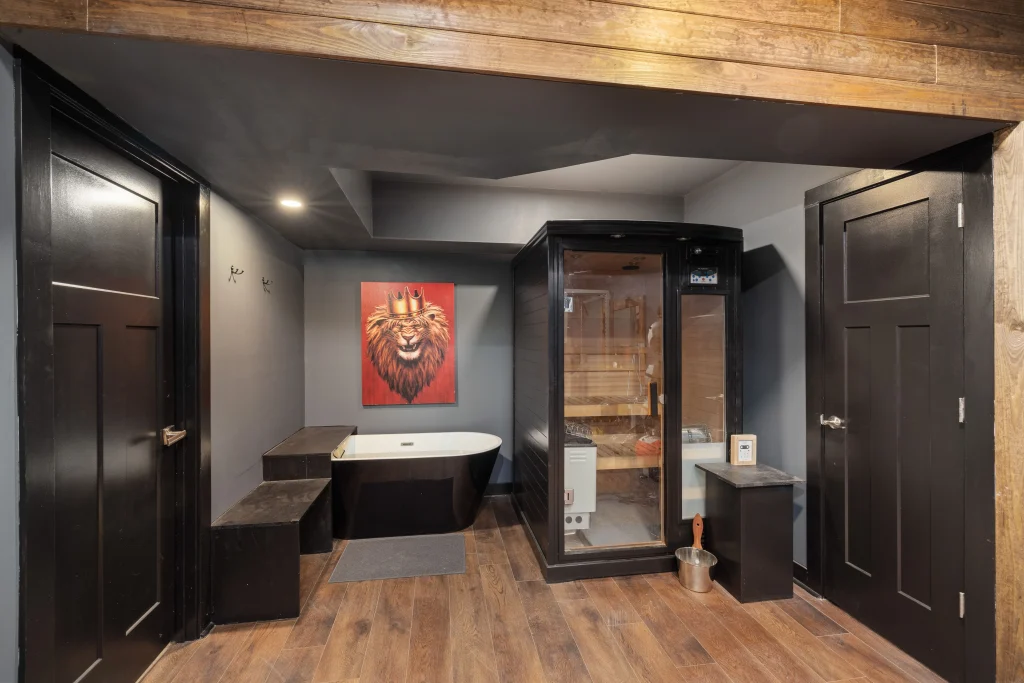
After all our testing, a few factors stood out as the ones actually worth prioritizing, regardless of which specific unit you land on.
Wood type and construction. Cedar is aromatic, naturally resistant to moisture and mildew, and holds up beautifully over years of use, but it comes at a price premium. Basswood and spruce are lighter on the wallet and still perform well, though they lack cedar’s natural scent and slightly lower moisture resistance. Whatever the wood, check panel thickness — thin panels flex, lose heat faster, and tend to show wear sooner.
Heater quality. For traditional units, look at the heater’s wattage relative to cabin volume; an underpowered heater will struggle to reach and hold temperature, especially in colder climates or outdoor installations. For infrared units, check whether the panels are full-spectrum (near, mid, far) or single-wavelength — full-spectrum tends to deliver a more complete, comfortable heat based on our sessions.
EMF and ELF levels. If this matters to you, don’t take manufacturer claims at face value — where possible, look for third-party verified low-EMF certifications, or test with a handheld meter yourself once installed.
Assembly and space requirements. Be honest about your own DIY tolerance and the access points into your home. We measured doorway and stairwell clearance issues on two units that would have been a serious problem in older or narrower homes.
Ventilation. Especially for traditional and outdoor units, proper ventilation isn’t optional — it affects both performance and the longevity of the wood.
Warranty and support. Coverage varied significantly across the units we tested, from one-year basic coverage up to longer structural warranties on premium models. Given how much of the sauna experience depends on the heater performing consistently over years, this is worth weighing seriously rather than treating as fine print.
Cost Expectations
Based on what we tested, here’s a realistic range to budget against, all-in including basic delivery:
- Budget compact infrared (1–2 person): roughly $1,200–$2,000
- Mid-size hybrid or infrared (3–4 person): roughly $3,000–$5,500
- Premium cedar barrel or outdoor cabin: roughly $5,000–$9,000
- Large traditional sauna room (5–6+ person): roughly $8,000 and up, before electrical or installation work
Running costs also vary — infrared units are generally cheaper to operate given their lower target temperatures and shorter heat-up times, while larger traditional units draw noticeably more power, especially with frequent use.
Maintenance: What We Learned the Hard Way
None of the marketing materials for any unit we tested spent much time on upkeep, so we tracked it ourselves across the full testing period.
Wipe-downs matter more than deep cleans. We got into the habit of wiping down benches and walls with a soft, dry or lightly damp cloth after every session, before sweat had a chance to soak into the wood. The units where we were consistent about this held their finish noticeably better than the one unit we let slide for a couple of weeks, which developed a slightly duller surface on the bench where sweat had pooled repeatedly.
Ventilate between uses. Every unit performed better long-term when we left the door cracked open for 20–30 minutes after each session rather than sealing it shut immediately. This gave residual moisture a chance to escape rather than sitting inside the cabin, which matters for both wood longevity and avoiding any musty smell over time.
Check hardware periodically. On the barrel sauna in particular, we noticed the exterior metal banding needed a light re-tightening after the first month, likely as the wood settled. This is a five-minute job, but worth knowing to expect rather than being caught off guard by it.
Infrared panels need very little. Compared to the traditional heaters, the infrared units were essentially maintenance-free during our testing window — no filters, no rocks to replace, nothing to season. That said, we made sure never to place anything directly against the panels, since manufacturers are fairly consistent in warning against covering them, and we didn’t want to test that boundary ourselves.
Budget for eventual heater replacement. Heating elements are consumable parts on every unit, traditional or infrared. None of ours failed during testing, but based on manufacturer documentation and warranty terms, this is the component most likely to need replacement first on any unit, typically years down the line rather than months.
Safety Considerations We Paid Attention To
A few safety-related observations came up repeatedly enough during testing that they’re worth calling out directly, separate from the spec-sheet comparisons above.
Hydration is non-negotiable. This sounds obvious, but we underestimated it early on. Even the gentler infrared sessions left testers noticeably dehydrated if they didn’t drink water before and after. We settled into a habit of a full glass of water both before entering and immediately after each session, and it made a meaningful difference in how we felt afterward.
Session length should be personal, not aspirational. We started several sessions aiming for a full 30 minutes because that’s what we’d read was “ideal,” and more than once had to step out early. There’s no prize for pushing through discomfort, and every unit performed just as well whether we used it for 12 minutes or 30.
Ventilation and carbon monoxide awareness for wood-burning units. If you go the wood-burning heater route on a barrel or cabin-style sauna, proper external venting is a genuine safety requirement, not a nice-to-have. We’d strongly recommend having this specific component inspected by a qualified installer rather than relying solely on the included instructions.
Electrical requirements vary more than you’d expect. Several of the larger units we tested required a dedicated 240V circuit, which most standard homes don’t already have available in a garage or basement. This is worth confirming with an electrician before you buy, not after the unit arrives.
Supervise anyone with cardiovascular conditions or who is pregnant. We’re not medical professionals, and this guide isn’t medical advice, but it’s worth noting that sauna use isn’t universally recommended for everyone. Anyone with heart conditions, blood pressure concerns, or who is pregnant should check with a doctor before starting regular sauna use, regardless of which unit they choose.
Comparing Our Top Picks Side by Side
To make the decision easier, here’s how our top picks stack up against each other on the factors that mattered most during testing:
| Category | Heat-Up Time | Best For | Approx. Price Range |
|---|---|---|---|
| Hybrid (Best Overall) | ~15–25 min | Flexibility between intensity and convenience | $3,000–$5,500 |
| Full-Spectrum Infrared | ~12 min | Fast, gentle daily use, low EMF priority | $3,000–$5,500 |
| Budget Compact Infrared | ~15 min | First-time buyers, tight budgets | $1,200–$2,000 |
| Cedar Barrel (Premium) | ~30 min | Full traditional experience, outdoor space | $5,000–$9,000 |
| One-Person Pod | Under 10 min | Small spaces, solo use | $1,500–$2,500 |
| Weatherproof Outdoor Cabin | ~20–30 min | Year-round exterior installation | $5,000–$8,000 |
| Six-Person Traditional Room | ~35 min | Families, group sessions | $8,000+ |
Frequently Asked Questions
What’s the best home sauna for someone who’s never owned one before?
Based on our testing, a compact two-person infrared unit is the easiest entry point — lower cost, simple assembly, and a gentler heat that’s easier to adjust to than a full traditional session.
Is an infrared sauna as effective as a traditional one?
They’re different rather than strictly better or worse. Traditional saunas deliver a more intense, air-based heat over shorter sessions; infrared saunas deliver a gentler, direct heat over longer sessions. Both delivered a genuine sweat and the post-session relaxation we were looking for, just via different paths.
How much space do I actually need?
A one-person pod can fit in roughly a closet-sized footprint. Two-to-four-person units generally need somewhere in the range of a small bedroom’s worth of floor space, plus clearance for the door to open and ventilation. Larger traditional rooms need a genuinely dedicated space.
Can I install a home sauna myself?
Most of the units we tested were designed for two-person home assembly without professional help, typically in an afternoon. Larger traditional rooms and outdoor installations, particularly wood-burning heaters, are worth having a professional at least review, primarily for ventilation and electrical safety.
How often should I use my sauna for it to be worth the investment?
There’s no single right answer, but based on our own use over the testing period, the units we reached for most were the ones with the fastest heat-up times and lowest friction to use — which is worth factoring into your decision as much as any single spec.
Final Thoughts
If we had to boil six months of testing down to one takeaway, it’s this: the “best” sauna isn’t a single model, it’s the one that matches how you’ll actually use it. The hybrid unit topped our overall list because it removed the need to choose between intensity and convenience, but plenty of our testers ended up preferring the simplicity of the infrared pod or the sheer occasion of the cedar barrel, depending on their space, budget, and mood on a given day.
Whichever direction you go, the fundamentals we outlined above — wood quality, heater output, ventilation, and honest space planning — will matter more to your long-term satisfaction than any single marketing claim. We hope this guide gets you closer to the right choice for your home.